VC Firms Are Buying Sports Teams in Two Different Ways
Startups / analysis
VC Firms Are Buying Sports Teams in Two Different Ways
Thrive Capital built a separate permanent-capital vehicle to hold the Lakers, but Collaborative Fund is buying into D.C. United straight out of the same fund it uses to write seed checks.
Venture capital is buying pro sports teams the way it used to buy software companies, and the two firms doing it most visibly, Thrive Capital and Collaborative Fund, are choosing opposite structures to do it.
Craig Shapiro, founder and managing partner of the roughly $1 billion firm Collaborative Fund, told a StrictlyVC audience in New York on a Thursday night in early September that his firm is taking a stake in Major League Soccer's D.C. United and its stadium, Audi Field, according to a memo Shapiro shared with TechCrunch. The stake comes out of Collaborative's ordinary early-stage fund, the same vehicle it uses to write seed and Series A checks, rather than a separate pool raised for the purpose.
Two different structures for the same bet
That is the opposite of how Thrive Capital did it. Founder Joshua Kushner built Thrive Eternal, a permanent-capital vehicle explicitly designed to hold, in Kushner's words on the day it launched, "a small number of assets that we can own and steward over many decades," funded by investors already in Thrive's venture and growth funds rather than by those funds themselves. Thrive Eternal's first move was a sub-10% stake in the San Francisco Giants, agreed in April with former Disney chief executive Bob Iger joining as an adviser.
The structural difference matters because a standard venture fund is built to return capital to limited partners within roughly a decade, while a sports franchise is a notoriously illiquid asset that can sit with one ownership group for generations. Thrive built a separate vehicle precisely to avoid that mismatch. Collaborative Fund did not, which means its LPs are now exposed to an asset that does not trade the way a startup stake does, inside a fund that was pitched to them as one that would.
From $10 billion to $12.5 billion in ten months
The prices involved show why VCs are interested at all. Mark Walter bought the Los Angeles Lakers from the Buss family for roughly $10 billion in October 2025, then agreed to sell the team to Kushner and Iger for $12.5 billion this Aug. 12, according to NBC News, a gain of about 25 percent in ten months and a record price for a North American sports franchise. "As lifelong NBA fans, we are deeply honored for the opportunity to become stewards of the Lakers," Kushner and Iger said in a joint statement reported by NBC.
Venture money is showing up on the football side too, just not through a firm. Khosla Ventures founder Vinod Khosla, who already held a 3.1% stake in the San Francisco 49ers bought the year before at a valuation over $8.5 billion, led his family's $9.6 billion purchase of the Seattle Seahawks from the estate of the late Paul Allen, an agreement reached July 11 and approved by NFL owners Aug. 26, according to Al Jazeera. "How often do you get to buy a franchise that just won the Super Bowl?" Khosla said. "We are incredibly lucky and humbled by this gift." At $9.6 billion it is the second-highest sale price in North American sports history, behind only the Lakers deal.
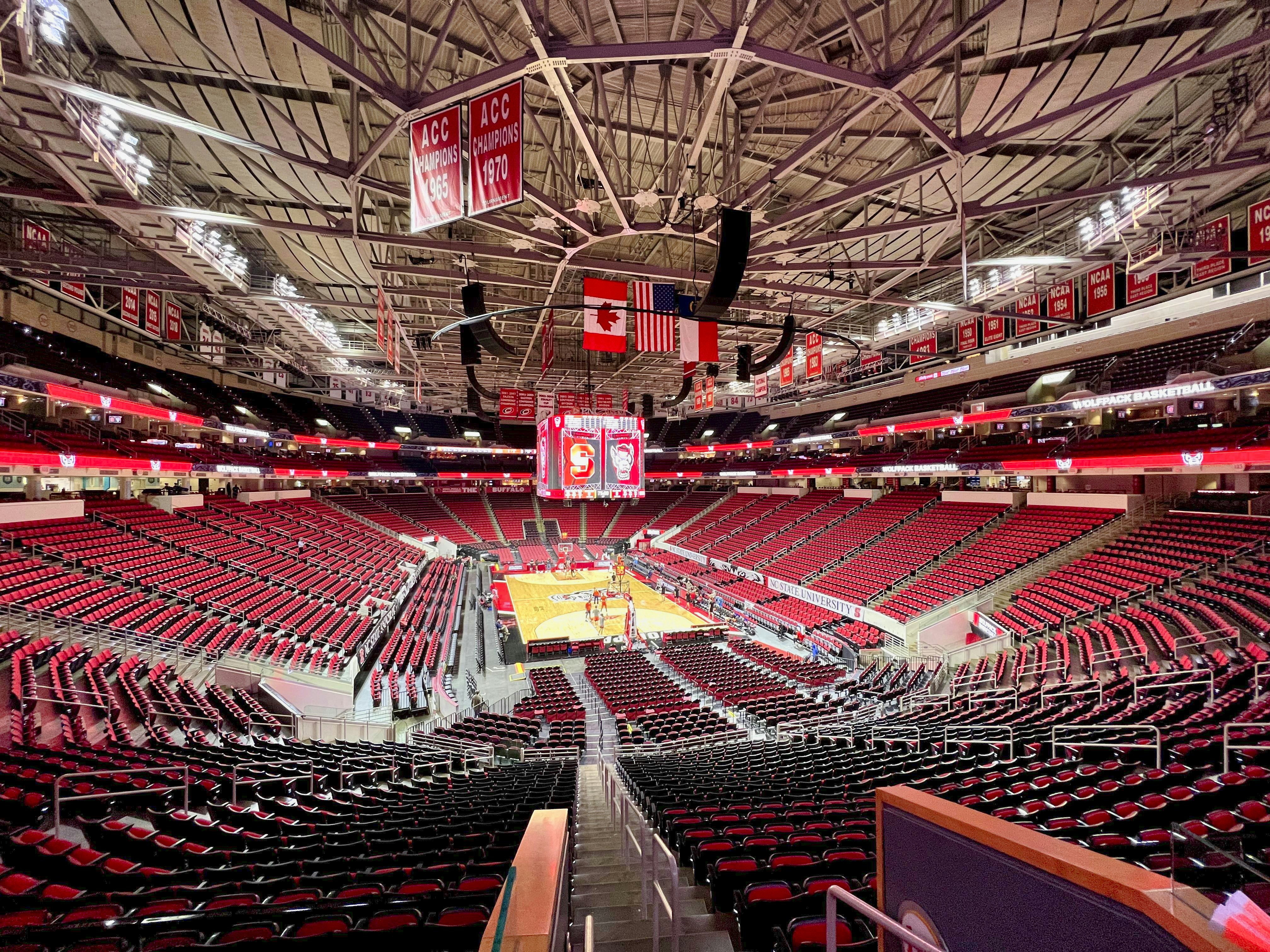
D.C. United's $35 million became $785 million
Collaborative Fund's target is a smaller, earlier bet on the same trend. D.C. United is now valued at $785 million, up from $35 million when the club changed hands in 2008, a gain of more than 22 times, according to TechCrunch's reporting on Shapiro's memo. The memo cites Major League Soccer's average club valuation rising 134 percent since 2019. Shapiro's pitch is not pure appreciation, though: TechCrunch reports he is treating the stake less as a buy-and-hold asset and more as a stage for Collaborative's own portfolio companies, which include the sports and beverage brands Whoop and Olipop, in front of a stadium's worth of sponsors and fans.
Other capital is entering sports through still other structures. Ares Management, a credit and private equity firm rather than a venture firm, put $500 million into Chelsea Football Club through a preferred-equity deal, per TechCrunch's reporting, a structure that pays a fixed return rather than betting on the club's resale price the way Thrive Eternal and Khosla's group are.
| Franchise | Prior value | Current value | Gain |
|---|---|---|---|
| Los Angeles Lakers | $10.0B (Oct. 2025) | $12.5B (Aug. 12, 2026) | 25% |
| Seattle Seahawks | N/A | $9.6B (Aug. 26, 2026) | Record NFL price |
| D.C. United | $35M (2008) | $785M (2026) | 22.4x |
The same capital pulling toward trophy sports assets has, elsewhere in 2026, gone toward infrastructure with an actual product roadmap: the UAE-led $3 billion round in the Boring Company values Elon Musk's tunneling startup at $23 billion on the promise of future contracts, not a fixed stadium's worth of sponsorship revenue. And some of it is going toward taking companies private rather than public, the same instinct that led Motive to withdraw its IPO filing this month in favor of $1.3 billion in private capital instead.
What would make this look like a mistake
The read that this is a durable allocation shift, rather than a handful of individually wealthy founders indulging a hobby, would be strengthened by a second wave of funds using Collaborative's approach: ordinary venture vehicles, not side pools, buying into teams. It would be undercut if Collaborative's LPs push back on an illiquid trophy asset sitting inside a fund they expected to be fully cashed out within its ten-year term, a tension sovereign wealth funds have absorbed without public complaint but that a $1 billion generalist venture firm has not tested before. A sports franchise, unlike a startup, comes with no product roadmap and no path to an IPO, only a resale to the next buyer willing to pay more.
Sources
More in Startups
- 01Crusoe Raises $3.9B, Triples Valuation to $30.9BCrusoe's post-money valuation has nearly tripled since its $1.38 billion Series E last October, even as the company calls this week's close only the first of the round.
- 02Adaptive Raises $30M to Expand Agentic Construction AccountingThe Series B lifts Adaptive's total funding to $57 million, three times the $19 million Series A it raised fourteen months earlier from many of the same investors.
- 03Mecka AI in Talks for $500M Valuation, Just 3 Months After $60M RoundSequoia is leading talks for the robot-training-data startup, whose own numbers so far come from an undisclosed round size and an unnamed customer list.
- 04Maven Robotics Raises $100M, Bets Against LegsThe industrial-robotics startup's Series A funds 250 more wheeled, dual-armed machines and a direct jab at Agility's bipedal Digit.