Mercedes Gets First Look at ProLogium's Gen4 Cells
Hardware / analysis
Mercedes Gets First Look at ProLogium's Gen4 Cells
The 400 Wh/kg figure is ProLogium's own spec sheet, not an independent test, and the gigafactory meant to build the cells at scale isn't due for its first phase until 2030.
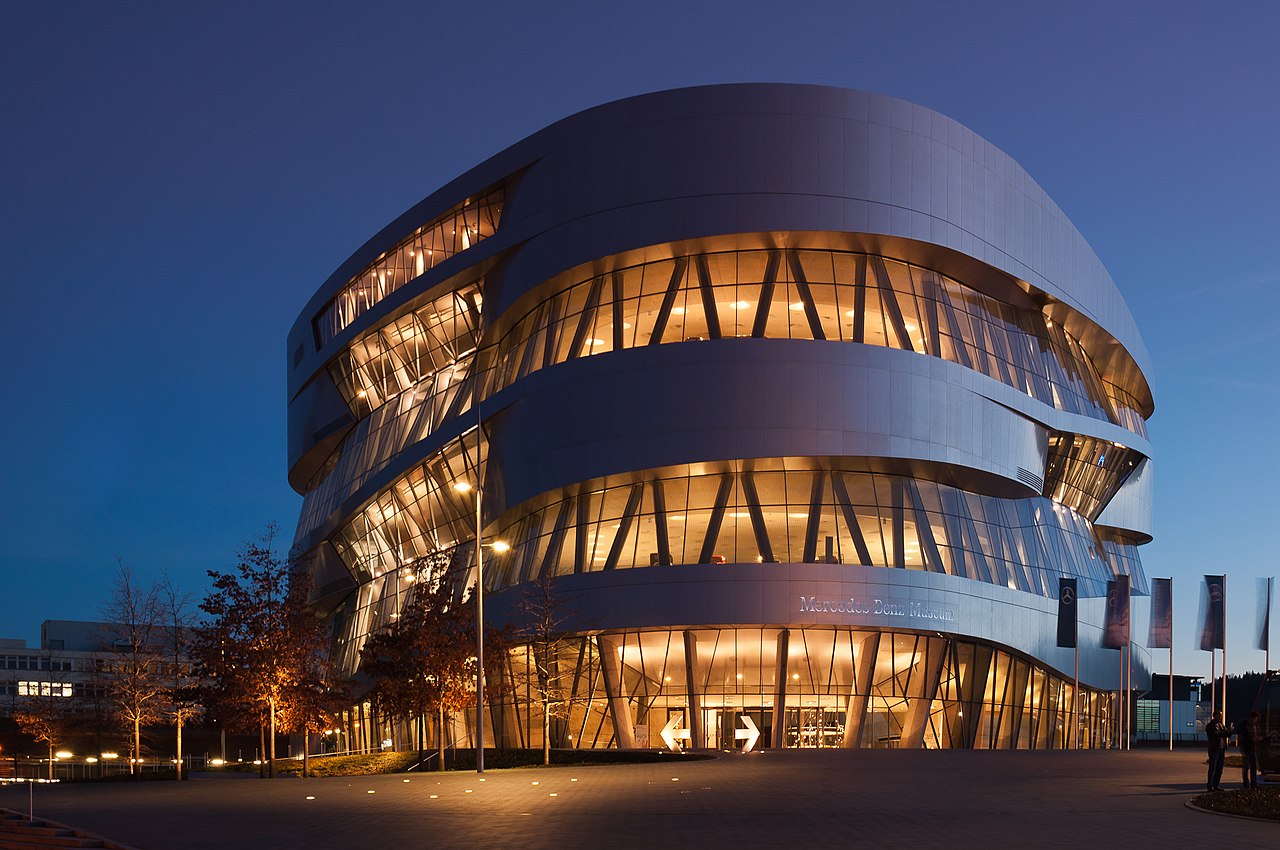
Mercedes-Benz and ProLogium said Sept. 24, 2026 that they have entered a joint testing agreement giving the automaker priority access to ProLogium's Gen4 solid-state battery cells, according to the companies' joint announcement distributed via GlobeNewswire. The agreement covers electrical, thermal and safety testing of the cells at Mercedes facilities and outside specialist institutes, not a commitment to put them in a car, and neither company's materials name a vehicle program the results would feed into.
The deal extends a relationship that started in 2016, when Mercedes became a strategic investor in ProLogium and took a seat on its board, according to Electrek's report on the announcement. Jörg Burzer, the Mercedes-Benz Group board member responsible for technology, said the companies' "long-standing partnership" is an example of bringing outside expertise together to advance future battery technologies. ProLogium founder and chief executive Vincent Yang said the work has moved from early cell validation to testing Gen4 for future vehicle use over the decade of collaboration.
The 400 Wh/kg figure is ProLogium's, not an independent lab's
ProLogium calls the chemistry its Superfluidized All Inorganic Solid State Battery Cell Technology: a non-flammable inorganic electrolyte paired with a ceramic separator, which the company says avoids the fire risk of the liquid electrolytes used in conventional lithium-ion packs. ProLogium's own specifications, cited by both Electrek and the joint release, claim energy density up to 400 Wh/kg and a charge from 5% to 80% in 6.4 minutes. Neither figure has been verified by Mercedes or any other independent party in the materials either company published, and the agreement announced this week is explicitly the mechanism for testing whether those numbers hold up outside ProLogium's own labs.

That sequencing matters because ProLogium is not new to Mercedes' testing pipeline. A prior generation, Gen 3.5, is already in mass production at ProLogium's Taoke gigafactory in Taiwan, which reached gigawatt-hour-scale capacity in 2024. Gen4 has not reached that stage; the Sept. 24 agreement is described by both companies as a preliminary technology evaluation, one step behind a chemistry Mercedes has already validated enough to let ProLogium build at volume.
The distinction between those two stages is the whole story. A chemistry in mass production has survived the failure modes that only show up at volume: cell-to-cell manufacturing variance, thermal behavior across a full pack rather than a single cell, and the yield losses that determine whether a Wh/kg figure measured on a hand-built sample survives contact with a production line. Gen4 has not been through that filter yet, and ProLogium's press materials do not claim it has.
The capacity math that decides whether Gen4 ever ships at scale
A cell that performs in a lab is not a cell that exists in the millions a carmaker needs. ProLogium broke ground on a second gigafactory in Dunkirk, France in February 2026, and its own capacity targets show how far that plant is from full scale.
| Site | Milestone | Annual capacity |
|---|---|---|
| Taoke, Taiwan | Reached gigawatt-hour scale in 2024 | Producing Gen 3.5 cells now |
| Dunkirk, France, phase 1 | Targeted by 2030 | 4.0 GWh |
| Dunkirk, France, full build-out | No date given | Up to 44.0 GWh |
Four gigawatt-hours a year, arriving no sooner than 2030, is roughly a tenth of the site's own eventual design maximum, and Dunkirk's phase 1 date is itself four years out. The 44 GWh figure that shows up in ProLogium's materials is a capacity ceiling for a plant that has not finished its first construction phase, not a near-term production number, and the two should not be read as interchangeable the way vendor coverage of the deal has tended to treat them.
What neither company will say
The joint release gives no date for when, or whether, Gen4 cells reach a production Mercedes vehicle; no target vehicle line; no production-volume commitment; and no figure for what the cells will cost per kilowatt-hour against the lithium-ion packs Mercedes already buys. Cost is the harder problem than chemistry for solid-state batteries generally, and its absence from a joint press release, where a favorable number would ordinarily be included, is itself informative. Ceramic separators and inorganic electrolytes require different manufacturing equipment than the liquid-electrolyte lines running at scale today, and that retooling cost is usually the reason a promising chemistry stays in the lab years past its first demonstration.
The next observable step is not a car unveiling. It is whether Mercedes' own electrical, thermal and safety testing, the kind of work comma.ai's driver-assistance system is now facing from a different angle after federal safety regulators opened an investigation, turns ProLogium's lab figures into numbers Mercedes is willing to put its own name behind. Gigafactory ramps of this kind have historically run behind the schedules vendors publish at signing, a pattern visible across the battery sector and in the factory-robot counts the International Federation of Robotics has been publishing as manufacturing capacity ramps worldwide; Dunkirk's 2030 date is the one to hold both companies to.
Gigafactory build-outs of this scale routinely slip, which is the reason to treat "first dibs" on a cell as a testing privilege rather than a supply guarantee. Mercedes gets to see ProLogium's data before its rivals do; it does not yet get a car that uses it, and neither company has put a date on when, if ever, that changes.
Sources
More in Hardware
- 01Tesla Patent Shows Roadster Wing With 700 kg of DownforceThe filing describes a wing that hides flush in the bodywork and deploys in under three seconds, a week before Tesla's Oct. 1 event.
- 02Moog Finishes a Clean Room Built to Cut Thruster Lead TimesThe Niagara Falls expansion adds more than 80 percent more certified space a year after Moog broke ground, timed to defense and satellite propulsion demand.
- 03Industrial Robot Fleet Hits 5 Million as China Installs 354,000The mature robot markets that automated first are now shrinking, and the growth curve has narrowed to one country.
- 04Agility Robotics Explores Wheels for Digit, Its $140 Million LossThe company's co-founder is talking up wheeled designs the same month a securities filing showed $1.8 million in revenue against nine figures of losses.