OpenAI's GPT-6.2 Designed 322 Protein Binders; 35 Bound in the Lab After Specialist Tools Filtered Them
A.I. / news
OpenAI's GPT-6.2 Designed 322 Protein Binders; 35 Bound in the Lab After Specialist Tools Filtered Them
A preprint with lab partner Onava reports a 10.9% hit rate across five drug targets, and OpenAI itself says end-to-end design without specialist models is not yet shown.

OpenAI said on Nov. 24 that 35 of 322 minibinders built from GPT-6.2 backbone designs bound their targets in a wet lab, a 10.9% hit rate, in a preprint that has not been peer reviewed.
The lab work was done with Onava, a San Carlos biotech founded in 2025, according to Glitchwire. OpenAI's post summarises a preprint titled "GPT-6 as a Universal Foundation Model for Protein Biology: Beyond Specialized Models" and names no individual authors.
What 35 of 322 means
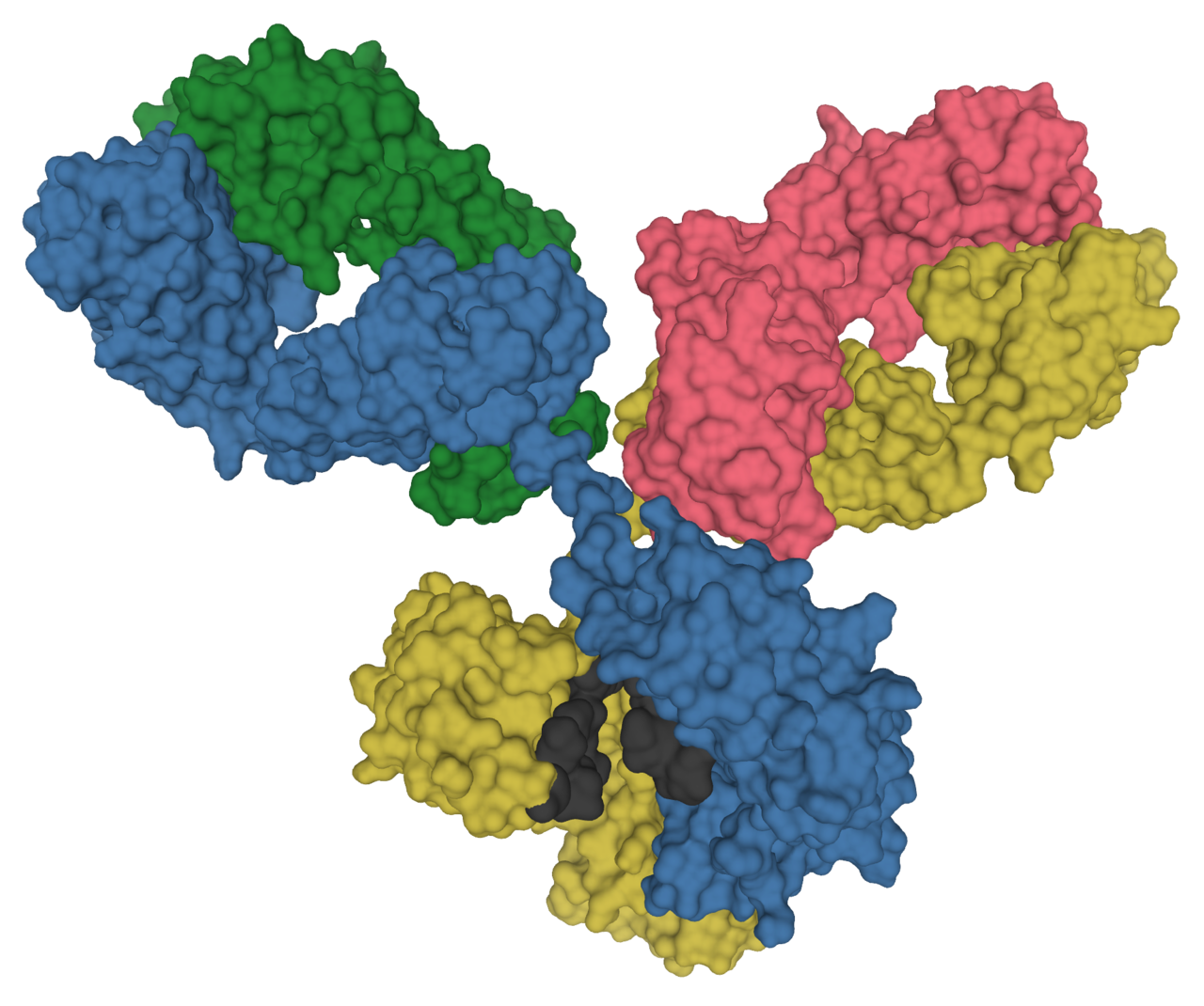
A minibinder is a small designed protein meant to stick to a chosen target. OpenAI tested 322 against five targets, and each target drew at least one hit.
- IL-17A18 binders
- VEGF-A8 binders
- PD-L15 binders
- IL-7Rα3 binders
- TrkA1 binders
Source: OpenAI preprint summary, accessed 2026-11-25
GPT-6.2 drafted the three-dimensional backbones. A specialist model, SolubleMPNN, supplied the amino acid sequences, and specialist tools selected which candidates went to the lab. Glitchwire lists the filters as ESMFold2, Boltz-2 and OpenDDE.
OpenAI says the original RFdiffusion study reported higher hit rates and that rates depend on filtering stringency and how binding is defined. Glitchwire puts RFdiffusion's published experimental range at roughly 1% to 19%, and notes that differing definitions of a hit make the comparison imperfect.
The second experiment
In a separate test, GPT-6.2 redesigned sequences for known structures with the originals withheld. The results vary widely by target.
| Target | Bound | Tested |
|---|---|---|
| MDM2 | 75 | 88 |
| VEGF-A | 26 | 42 |
| PD-1 | 8 | 59 |
| IL-4Rα antibody loops | 128 | 182 |
Unpublished shapes fared worse: 14 of 107 bound, or 13.1%. OpenAI also says some strong sequence-recovery scores may reflect memorisation or artifacts of how benchmark structures were generated.
Benchmark numbers are OpenAI's own
Every computational score below comes from OpenAI's preprint. No independent party is named as having reproduced them, and the best figures belong to an unreleased internal model.
| Test | Internal model | Comparator |
|---|---|---|
| Motif scaffolding, 30 MotifBench challenges | 43.7% | RFdiffusion 27.8% |
| PoseBusters docking | 96% | DiffDock-L 50% |
| Sequence-to-structure, average TM-score | 0.38 | ESMFold2 0.93 |
OpenAI says GPT-6.2 scored slightly below RFdiffusion on computational minibinder quality, and that the internal model scored higher. A TM-score near 0.5 generally indicates the overall fold is captured, per Glitchwire, so 0.38 falls short.
What the lab did not test
OpenAI says that binding is "only one step." Specificity, stability, biological activity, safety and efficacy remain untested. The company says the results do not yet show end-to-end de novo minibinder design without specialised help.
The post says biosecurity risks are assessed under OpenAI's Preparedness Framework. It also follows OpenAI's report on extraction attacks against GPT-6.2 Astra, where the company described how it protects the same model family.
Open-weight labs are chasing the same general-purpose goal, as Tencent's Hy4-flash release showed this month, though neither is a biology model.
OpenAI lists targets its attempts failed to bind, effects after binding such as killing cancer cells, and RNA and small-molecule work as next steps. The company gave no date for peer review or for a release of the internal model.
Sources
More in A.I.
- 01OpenAI Posts Claimed Proofs of VP ≠ VNP and Strongly Polynomial Linear Programming; Aaronson Says P ≠ NP Looks CloserThe nine Nov. 24 manuscripts come from an unnamed internal model, and the repository says about 42% of top-line results have Lean proofs.
- 02GPT-6.2 Astra Beats Human Code-Golf Records on JS, Python and C++ at 92.3% to 87.5%, a Benchmark Author ReportsThe benchmark reuses 32 puzzles from a 2015 Google contest; humans still hold 14 of 96 cells, and the author set the scoring.
- 03Google Posts 12 Cogentic Papers With Factoring Claims in the Titles and No Abstracts; Aaronson Sees Nothing for CryptographyThe directory says it is not an official Google product, and the authors say domain experts verified the earlier Cogentic results.
- 04OpenAI's Pachocki Wants Perplexity as the Industry Yardstick; a January Paper Argues It Cannot Pick the Better ModelOpenAI published its own log-perplexity figures on Nov. 22, and the numbers cannot be compared with any other lab because the dataset is internal.